
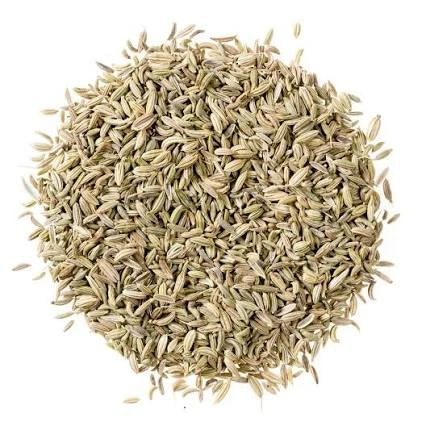
Fennel Seed / Foeniculum Vulgare / Sounf
English Name: Fennel Seed
Botanical Name: Foeniculum Vulgare
Local Name: Sounf
Fennel seeds, derived from the flowering plant Foeniculum vulgare, are small, oblong seeds with a licorice-like flavor. They are native to the Mediterranean region but are now cultivated worldwide for culinary and medicinal purposes.
In the culinary world, fennel seeds are highly valued for their aromatic and flavorful properties. They are often used as a spice in various cuisines, particularly in Indian, Middle Eastern, and Mediterranean dishes. Fennel seeds can be used whole or ground and are added to soups, stews, curries, baked goods, and spice blends. Their sweet and slightly spicy taste adds depth to both savory and sweet dishe
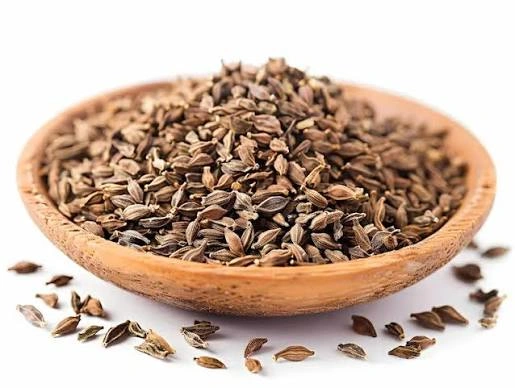
Ajwain Seed / Carum Copticum / Ajwain
English Name: Ajwain Seed
Botanical Name: Carum Copticum
Local Name: Ajwain
Ajwain seeds are small, oval-shaped seeds known for their strong aroma and distinctive thyme-like flavor. Derived from the ajwain plant (Carum copticum), these seeds are highly valued in traditional cooking and herbal practices throughout South Asia and the Middle East.
Ajwain seeds are commonly used in breads, savory snacks, curries, and spice blends. Their pungent taste enhances the flavor of dishes while also contributing digestive benefits. Traditionally, ajwain is used in herbal preparations and teas to support digestion and overall wellness. Due to its intense flavor, only a small quantity is needed to add a unique taste and aroma to food products.
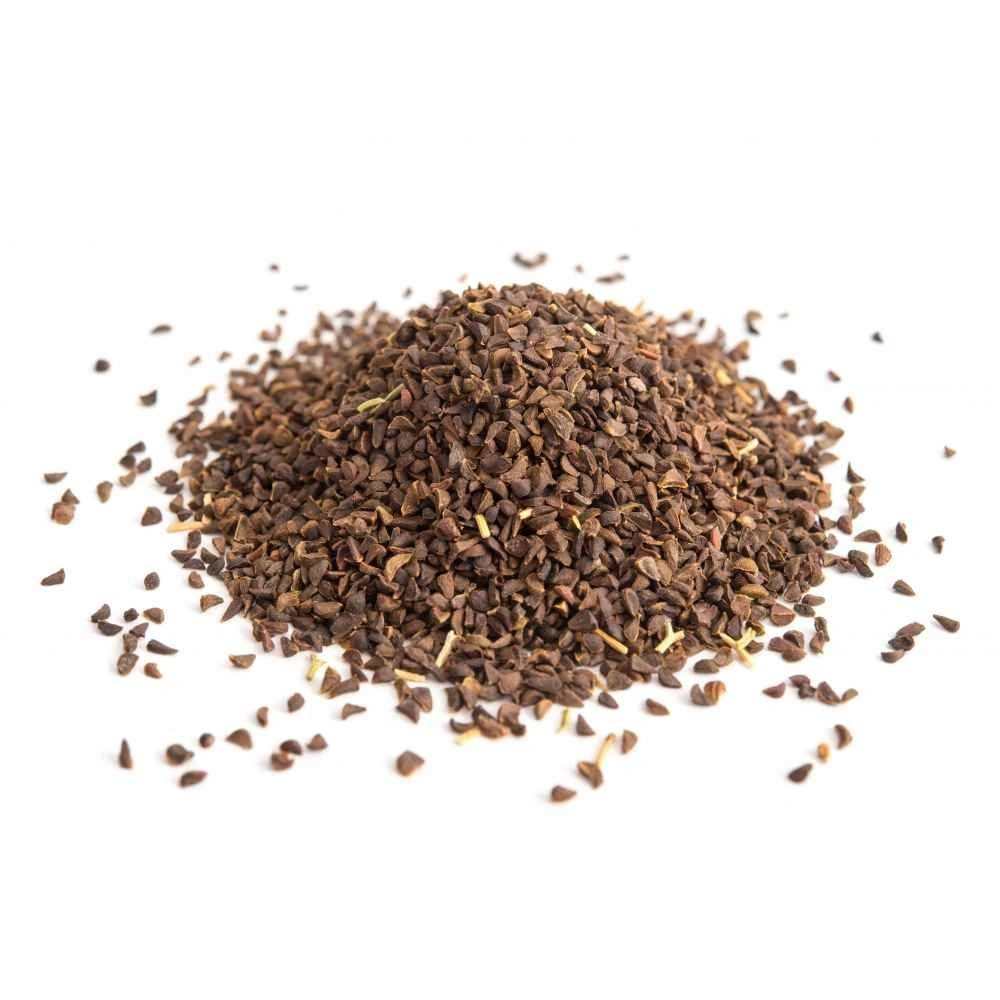
Hermal Seed / Lavandula Hermal / Hermal
English Name: Hermal Seed
Botanical Name: Lavandula Hermal
Local Name: Hermal
Hermal seeds are small, dark-colored seeds traditionally used in herbal and cultural applications. Known for their distinctive aroma and historical significance, Hermal seeds have been utilized in various regions for generations.
These seeds are commonly used in traditional herbal preparations and are appreciated for their unique properties. Hermal seeds are carefully selected and cleaned to maintain their natural quality and purity. Their versatility makes them suitable for herbal products, specialty formulations, and traditional uses where authentic botanical ingredients are required.
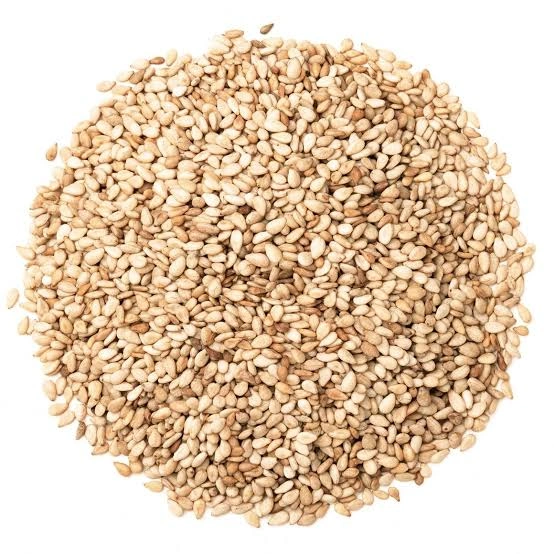
Sesame Seed Natural (Non Hulled) / Sesamum Indicum / Till Sufaid
English Name: Natural Sesame Seed (Non Hulled)
Botanical Name: Sesamum Indicum
Local Name: Till Sufaid
Natural sesame seeds are premium-quality seeds harvested from the sesame plant (Sesamum indicum). Unlike hulled sesame seeds, these seeds retain their outer shell, providing a richer flavor profile and higher fiber content. They are widely recognized for their nutty taste and nutritional value.
Natural sesame seeds are extensively used in bakery products, confectionery items, tahini production, snack foods, and traditional recipes. Their crunchy texture and distinctive flavor make them a preferred ingredient in many food applications. These seeds are also valued for their oil content and are commonly used in sesame oil extraction.
Sesame Seed Hulled / Sesamum Indicum / Till Sufaid
English Name: Hulled Sesame Seed
Botanical Name: Sesamum Indicum
Local Name: Till Sufaid
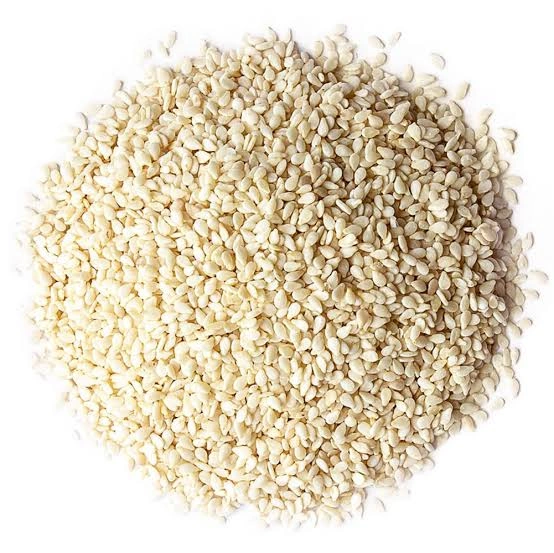
Hulled sesame seeds are sesame seeds that have had their outer shell removed, resulting in a smoother texture, lighter color, and milder flavor. Derived from the sesame plant (Sesamum indicum), these seeds are highly sought after in the food processing and bakery industries.
Hulled sesame seeds are commonly used as toppings for breads, buns, pastries, and crackers. They are also an essential ingredient in tahini, sesame paste, confectionery products, and health foods. Their clean appearance and delicate flavor make them ideal for premium food applications where visual appeal and taste are equally important.
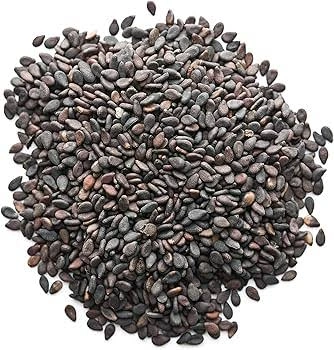
Black Sesame / Sesamum Indicum / Till Kala
English Name: Black Sesame Seed
Botanical Name: Sesamum Indicum
Local Name: Till Kala
Black sesame seeds are a distinctive variety of sesame seeds known for their dark color, rich nutty flavor, and aromatic qualities. Harvested from the sesame plant (Sesamum indicum), these seeds have been used in traditional cuisines and herbal preparations for centuries.
Black sesame seeds are widely utilized in Asian cuisine, bakery products, desserts, confectionery items, and specialty food preparations. Their striking appearance makes them an attractive garnish, while their robust flavor enhances a variety of dishes. They are also commonly incorporated into health foods, snacks, and traditional recipes due to their nutritional value and unique taste.
Mustard Seed Black / Brassica Nigra / Sarsoon
English Name: Black Mustard Seed
Botanical Name: Brassica Nigra
Local Name: Sarsoon
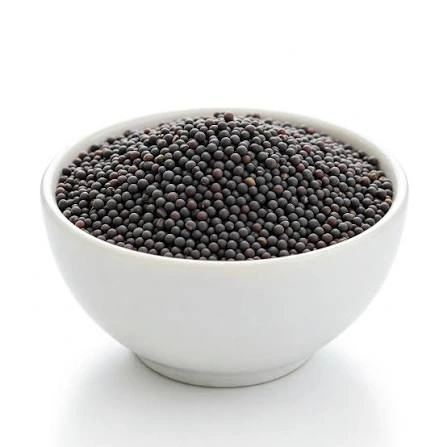
Black mustard seeds are small, dark-colored seeds obtained from the mustard plant (Brassica nigra), a member of the cruciferous family. Known for their strong aroma and pungent flavor, black mustard seeds are widely used as a spice in culinary traditions across Asia, Europe, and Africa.
In cooking, black mustard seeds are often tempered in hot oil to release their distinctive flavor and aroma before being added to curries, pickles, vegetables, and spice blends. Their bold taste makes them a key ingredient in many traditional dishes. Black mustard seeds are also valued in herbal applications and are commonly used in various food and seasoning preparations.
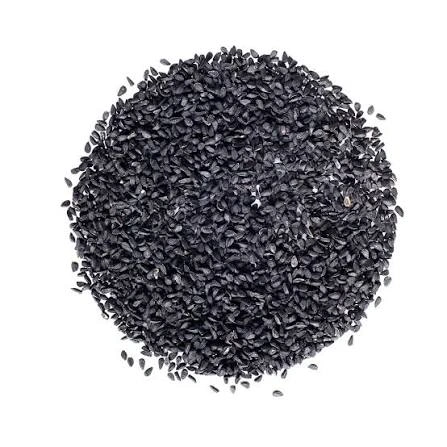
Black Seed / Nigella Sativa / Kalonji
English Name: Black Seed
Botanical Name: Nigella Sativa
Local Name: Kalonji
Black seeds, commonly known as Kalonji, are tiny black seeds derived from the Nigella sativa plant. These seeds possess a unique flavor profile that combines notes of onion, oregano, and black pepper, making them a popular ingredient in various cuisines around the world.
Kalonji seeds are widely used in breads, pickles, curries, spice mixes, and savory dishes. Their distinctive taste enhances both traditional and modern recipes. In addition to culinary uses, black seeds have a long history of use in herbal and traditional wellness practices. Their versatility and rich flavor make them a valuable ingredient in food manufacturing and household cooking.
Isabghol Seed / Plantago Ovata / Isabghol
English Name: Psyllium Seed
Botanical Name: Plantago Ovata
Local Name: Isabghol
Isabghol seeds are obtained from the Plantago ovata plant and are widely recognized for their high natural fiber content. These small, light-colored seeds have been traditionally used in herbal and dietary applications for centuries.
Psyllium seeds are commonly incorporated into health foods, dietary supplements, and fiber-based formulations. When mixed with water, they form a gel-like consistency, making them suitable for a variety of nutritional and functional food products. Their natural fiber content has made them a popular ingredient in wellness and digestive support products worldwide.
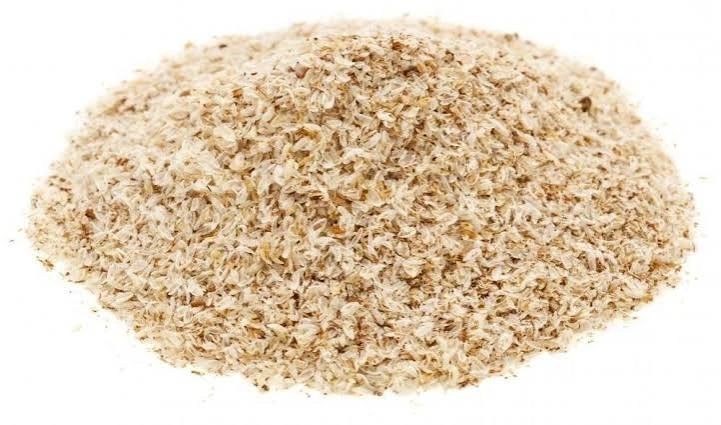
Isabghol Seed Husk / Plantago Ovata Forsk / Isabghol Chilka
English Name: Psyllium Husk
Botanical Name: Plantago Ovata Forsk
Local Name: Isabghol Chilka
Psyllium husk is the outer coating of the psyllium seed obtained from the Plantago ovata plant. It is highly valued for its exceptional soluble fiber content and ability to absorb water, forming a natural gel-like texture.
Psyllium husk is extensively used in dietary supplements, functional foods, health beverages, and bakery products. Due to its binding and thickening properties, it is also utilized in gluten-free and fiber-enriched food formulations. Its versatility and natural origin have made psyllium husk a preferred ingredient in health-conscious food and wellness industries worldwide.
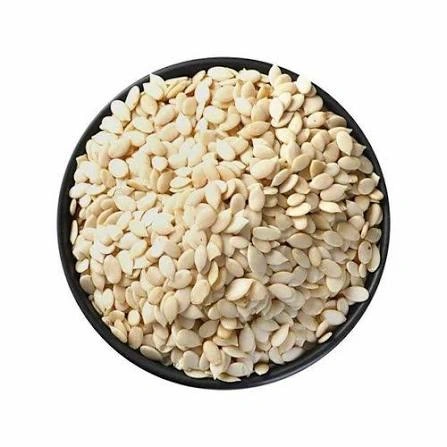
Watermelon Seed Kernels / Citrullus Lanatus / Magaz Tarbuz
English Name: Watermelon Seed Kernels
Botanical Name: Citrullus Lanatus
Local Name: Magaz Tarbuz
Watermelon seed kernels are the edible inner portions of carefully processed watermelon seeds obtained from the watermelon plant (Citrullus lanatus). These creamy-white kernels are appreciated for their mild nutty flavor, smooth texture, and nutritional value.
Watermelon seed kernels are commonly used in confectionery products, bakery items, desserts, traditional sweets, and snack foods. They are also widely utilized as a garnish and ingredient in premium food preparations. Their pleasant taste and versatility make them a valuable component in both commercial food production and household recipes.
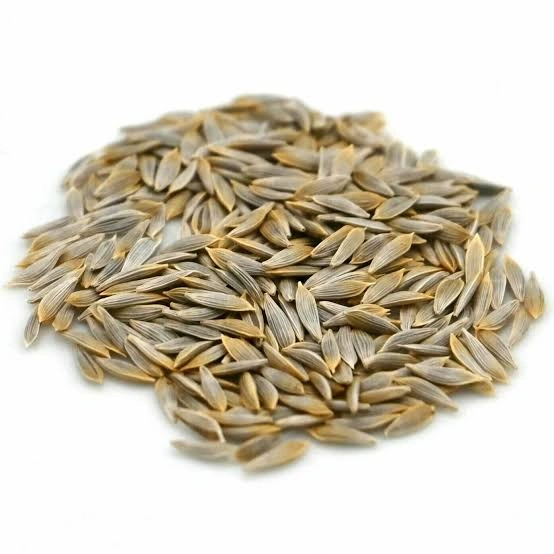
Lettuce Seeds / Lactuca Sativa / Kahoo Sufaid
English Name: Lettuce Seed
Botanical Name: Lactuca Sativa
Local Name: Kahoo Sufaid
Lettuce seeds are small, oval-shaped seeds harvested from the lettuce plant (Lactuca sativa), a widely cultivated leafy vegetable. These seeds have been traditionally used in herbal preparations and specialty agricultural applications for many years.
Lettuce seeds are valued for their natural properties and are commonly utilized in herbal products, seed mixtures, and cultivation programs. Carefully selected for purity and quality, they are suitable for both agricultural and commercial purposes. Their traditional significance and diverse applications make lettuce seeds an important botanical product in international markets.